After fifteen years consulting for kitchenware manufacturers and reviewing safety standards, I can tell you this without hesitation: the non-toxic cookware market has exploded into a confusing mess of competing claims and questionable certifications.
Every brand screams about being “free from” various chemicals whilst conveniently avoiding mention of what they’ve replaced those chemicals with—often substitutes lacking long-term safety data entirely.
The reality is simpler than marketing departments want you to believe—effective non-toxic cookware selection involves understanding material properties, verifying genuine safety certifications, and matching performance characteristics to your actual cooking needs.
Understanding Coating Types and Safety Claims
What I’ve learned through materials science consulting is that “non-stick” and “non-toxic” aren’t synonymous—many non-stick coatings achieve slickness through compounds raising legitimate health questions.
Traditional PTFE (Teflon) coatings perform brilliantly when maintained below 260°C, but release toxic fumes at higher temperatures whilst degrading into microplastics entering food over time.
PFOA-free claims sound reassuring until you discover manufacturers simply substituted other PFAS chemicals—the entire “forever chemical” family persists in environments and bodies indefinitely.
Ceramic coatings marketed as natural alternatives often contain nanoparticles and silicones whose long-term safety remains understudied despite widespread use in consumer cookware currently.
From a practical standpoint, genuinely non-toxic options include stainless steel, cast iron, carbon steel, and enameled cast iron—materials with decades of safe use without chemical coatings.
The data tells us that uncoated materials require different cooking techniques but deliver superior longevity, performance consistency, and zero concerns about coating degradation contaminating food.
I once consulted for a kitchenware brand attempting “green” non-stick development—every coating substitute introduced new questions without definitively improving safety over traditional options honestly.
Material Properties and Performance Characteristics
Look, the bottom line is that different materials excel at specific cooking tasks whilst struggling with others—no single option performs optimally across all applications simultaneously.
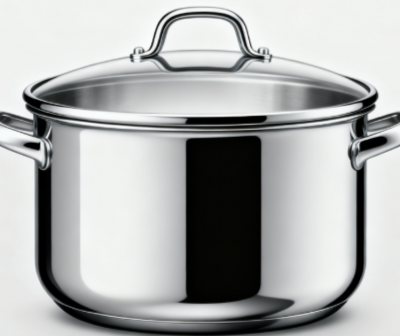
Stainless steel heats unevenly creating hot spots, but it’s virtually indestructible, dishwasher-safe, oven-safe to extreme temperatures, and completely non-reactive with acidic foods.
Cast iron delivers exceptional heat retention perfect for searing and baking, develops natural non-stick patina through seasoning, but weighs considerably and requires maintenance preventing rust.
Carbon steel combines cast iron’s heat performance with lighter weight and faster temperature response, though it needs identical seasoning maintenance and isn’t dishwasher-safe ever.
Enameled cast iron eliminates seasoning requirements whilst maintaining excellent heat properties, though enamel chips if dropped and costs significantly more than bare cast iron equivalents.
The reality is that well-seasoned cast iron or carbon steel rivals non-stick performance for most applications whilst offering superior durability and zero health concerns long-term.
Back in 2016, most home cooks assumed non-stick coatings were essential for low-fat cooking. Growing skill with traditional materials has proven this false—proper technique matters more than coatings.
Verifying Legitimate Safety Certifications
Here’s what works in practice: third-party safety certifications matter immensely, whilst manufacturer self-certification and vague “tested safe” claims mean absolutely nothing without independent verification.
NSF International certification verifies materials meet specific safety standards through independent testing rather than trusting manufacturers’ internal quality control alone.
FDA approval for food contact indicates materials won’t leach harmful substances under normal use conditions, though standards vary and don’t address all potential concerns comprehensively.
PFOA/PFOS-free certifications help but don’t guarantee absence of all PFAS chemicals—look for broader “PFAS-free” verification from independent laboratories, not just manufacturer claims.
What surprises people most is discovering that many “non-toxic” brands rely on marketing rather than legitimate third-party testing proving safety claims they promote aggressively to consumers.
From experience, research specific certifications listed on products, verifying they’re genuine from recognized organizations rather than proprietary standards manufacturers created themselves appearing legitimate.
The sweet spot involves brands transparently listing materials, providing independent test results, and avoiding vague “proprietary coating” language hiding what’s actually contacting your food daily.
Price Points and Value Considerations
What I’ve learned through comparative testing is that genuinely non-toxic cookware typically costs more upfront but dramatically outlasts coated alternatives requiring replacement every 2-5 years.
Quality stainless steel sets range £150-400, deliver 20+ years service with basic care, and maintain performance consistency without degradation coating-dependent products inevitably experience.
Cast iron pieces cost £30-80 individually, last generations with proper maintenance, and actually improve over time as seasoning develops rather than degrading like coatings.
Budget ceramic-coated options under £50 appeal initially but typically fail within 12-18 months as coatings degrade, creating false economy through frequent replacement costs accumulating rapidly.
The reality is that investing £200-300 in quality stainless steel core pieces plus cast iron skillet provides lifetime cookware versus endlessly replacing cheap coated pans periodically.
Premium brands like Le Creuset and Staub command £200-400 per piece but justify costs through superior enamel quality, lifetime warranties, and genuine performance advantages over budget alternatives.
From a practical standpoint, build collections gradually prioritizing essential pieces—10-inch stainless skillet, 3-quart saucepan, cast iron skillet—before expanding into specialty items used occasionally.
Maintenance Requirements and Longevity
The data tells us that maintenance commitment dramatically affects cookware longevity and performance—materials requiring care reward attention with decades of service when treated properly.
Stainless steel tolerates dishwashers and metal utensils without damage, though hand-washing with Bar Keeper’s Friend maintains appearance and removes stuck-on food more effectively.
Cast iron and carbon steel require seasoning maintenance—light oil coating after washing prevents rust whilst building non-stick patina improving with use over months and years.
Enameled cast iron needs gentle handling preventing chips but otherwise demands minimal maintenance beyond avoiding thermal shock from extreme temperature changes causing cracking.
What actually separates cookware lasting decades from pieces failing within years isn’t just initial quality—it’s whether users follow appropriate care preventing damage through misuse or neglect.
From experience, people often abandon cast iron assuming it’s “too much work,” when reality involves thirty seconds of oiling after washing—less maintenance than replacing coated pans every few years.
The sweet spot balances performance benefits against maintenance willingness. If you won’t maintain cast iron properly, quality stainless steel delivers excellent non-toxic performance requiring minimal care.
Conclusion
Choosing non-toxic cookware demands understanding coating safety genuinely, evaluating material properties matching cooking needs, verifying legitimate certifications, considering lifetime value over initial cost, and committing to appropriate maintenance.
Traditional materials like stainless steel and cast iron deliver proven safety, superior longevity, and excellent performance once you’ve developed appropriate cooking techniques suited to their characteristics.
What I’ve learned is that marketing around “non-toxic” often obscures rather than clarifies—focusing on materials with long safety records outperforms trusting new coating technologies lacking decades of evidence.
FAQs
Is all non-stick cookware toxic?
Not all, but traditional PTFE coatings release fumes at high temperatures and degrade over time. Many “ceramic” non-stick alternatives use under-studied compounds. Uncoated stainless or cast iron offer safest options.
Can I cook everything in stainless steel?
Yes, with proper technique. Preheat properly, use adequate fat, and avoid moving food too soon. Stainless handles high heat beautifully for searing, sautéing, and sauce-making with practice.
How do I know if my current cookware is toxic?
Check for PTFE/Teflon or ceramic non-stick coatings. If coatings are scratched, chipped, or degraded, replace immediately. Uncoated materials like stainless steel and cast iron pose no toxicity concerns.
Does cast iron require special cleaning?
Avoid soap (though small amounts won’t hurt), scrub with coarse salt and oil for stuck food, dry immediately, and apply thin oil layer preventing rust. Takes 30 seconds after use.
Are expensive brands worth the premium for non-toxic cookware?
For stainless steel, mid-range brands perform comparably to premium options. For enameled cast iron, premium brands offer superior enamel quality and warranties justifying higher costs through longevity.
Can I put cast iron in the dishwasher?
Never. Dishwashers strip seasoning and cause rust. Hand-wash only with minimal soap, dry immediately, and maintain with light oil coating. Proper care takes less time than loading dishwashers.
What about copper cookware safety?
Tin or stainless-lined copper is safe. Unlined copper reacts with acidic foods causing contamination. Quality lined copper performs excellently but requires investment and specific maintenance avoiding damage.
How long should non-toxic cookware last?
Stainless steel and cast iron last decades or generations with proper care. Enameled cast iron lasts 20-30 years typically. Even quality ceramic coatings degrade within 2-5 years requiring replacement.
Do I need to replace my entire cookware collection at once?
No. Start with most-used pieces—primary skillet, saucepan—then gradually expand. Mixing cookware types is fine; prioritize replacing damaged coated pieces first for immediate safety improvement.
Can seasoned cast iron really be non-stick?
Yes. Properly seasoned and preheated cast iron rivals traditional non-stick for eggs, pancakes, and delicate items. Seasoning improves with use, unlike coatings that degrade over time inevitably.

Previous Article
Expert Tips for Cooking Safely with the Best Non-Toxic CookwareNext Article
What Makes Best Non-Toxic Cookware Truly Safe