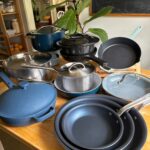
The best non-toxic cookware is truly safe when it is made from materials that do not leach harmful chemicals into food, withstand high cooking temperatures without degradation, and are free from toxic coatings such as PFAS, PFOA, lead, and cadmium. Such cookware provides peace of mind for healthy cooking and long-term well-being.
Safe Materials Free From Harmful Chemicals
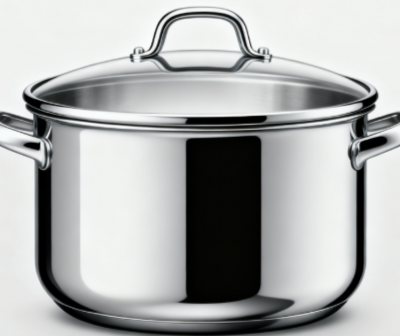
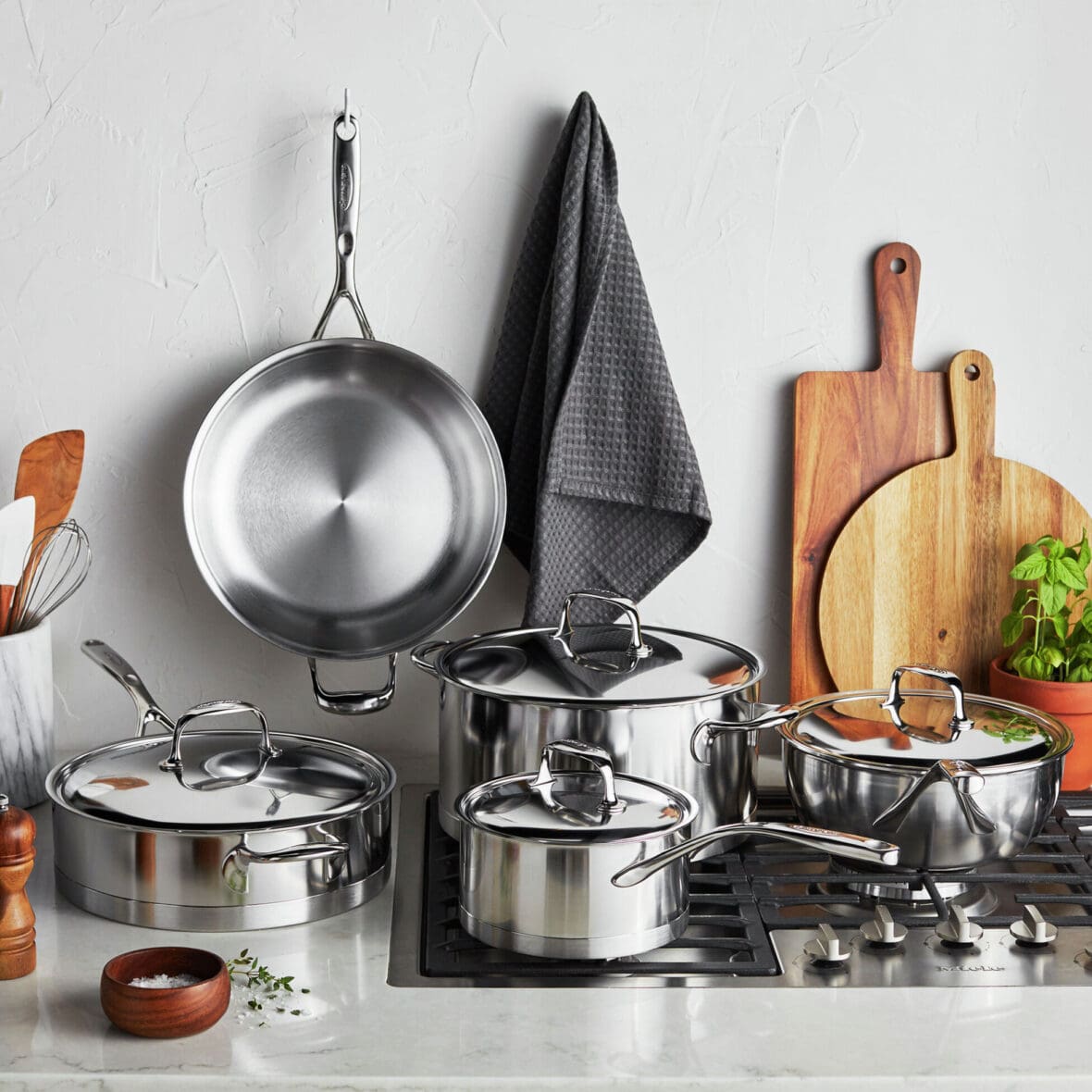
Materials like stainless steel, cast iron (especially enameled), carbon steel, and pure ceramic are considered safe as they contain no synthetic nonstick chemicals. Nonstick ceramic coatings, derived from natural minerals, offer a chemical-free surface for easy cooking without toxic fumes even if overheated.
Rigorous Third-Party Testing and Certification
Top non-toxic cookware undergoes independent testing to certify absence of toxic elements and compliance with food safety standards such as FDA, EU regulations, and California Prop 65. Brands with transparent testing reports and certifications ensure safer cookware choices.
Durable, Non-Reactive Surfaces
Non-toxic cookware has non-reactive surfaces that do not alter flavors or release particles when in contact with acidic or alkaline foods. High-quality enameling or ceramic coatings prevent rust, scratching, and chemical breakdown, enhancing safety and longevity.
Chemical-Free Manufacturing and Transparency
Manufacturers avoid using harmful polymers, glues, dyes, or fillers during production, offering consumers clearer ingredient information. The best cookware brands embrace sustainability and toxin-free processes, further ensuring kitchen and environmental safety.
Conclusion
Best non-toxic cookware is safe due to use of chemical-free materials, rigorous testing, durable non-reactive surfaces, and transparent manufacturing practices. Select cookware with verified certifications and natural coatings to enjoy healthy, safe cooking daily.
FAQs
Which materials are inherently non-toxic?
Stainless steel, cast iron, carbon steel, and pure ceramic.
Are ceramic coatings truly safe?
Yes, if free from PFAS, PFOA, lead, and cadmium.
How to verify cookware safety?
Check for third-party certifications and transparent testing.
Is enameled cast iron safe?
Yes, it provides non-reactive, durable cooking surfaces.
What cookware types avoid chemical fumes?
Nonstick ceramics and chemically untreated metals.
Can old cookware leach toxins?
Worn nonstick coatings may release harmful substances.
Is stainless steel best for acidic foods?
Yes, it resists corrosion and flavor alteration.
How handle seasoning for cast iron?
Proper seasoning creates natural non-stick and protects safety.
Do non-toxic pans require special care?
Avoid abrasive scrubbers and follow manufacturer instructions.
Is all non-toxic cookware dishwasher safe?
Not always; check specific product guidelines.
Previous Article
A Complete Guide to Choosing the Best Non-Toxic CookwareNext Article
Why Choose Best Non-Toxic Cookware For Families