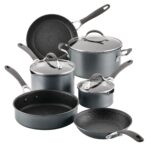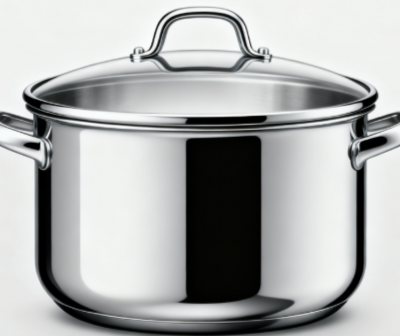
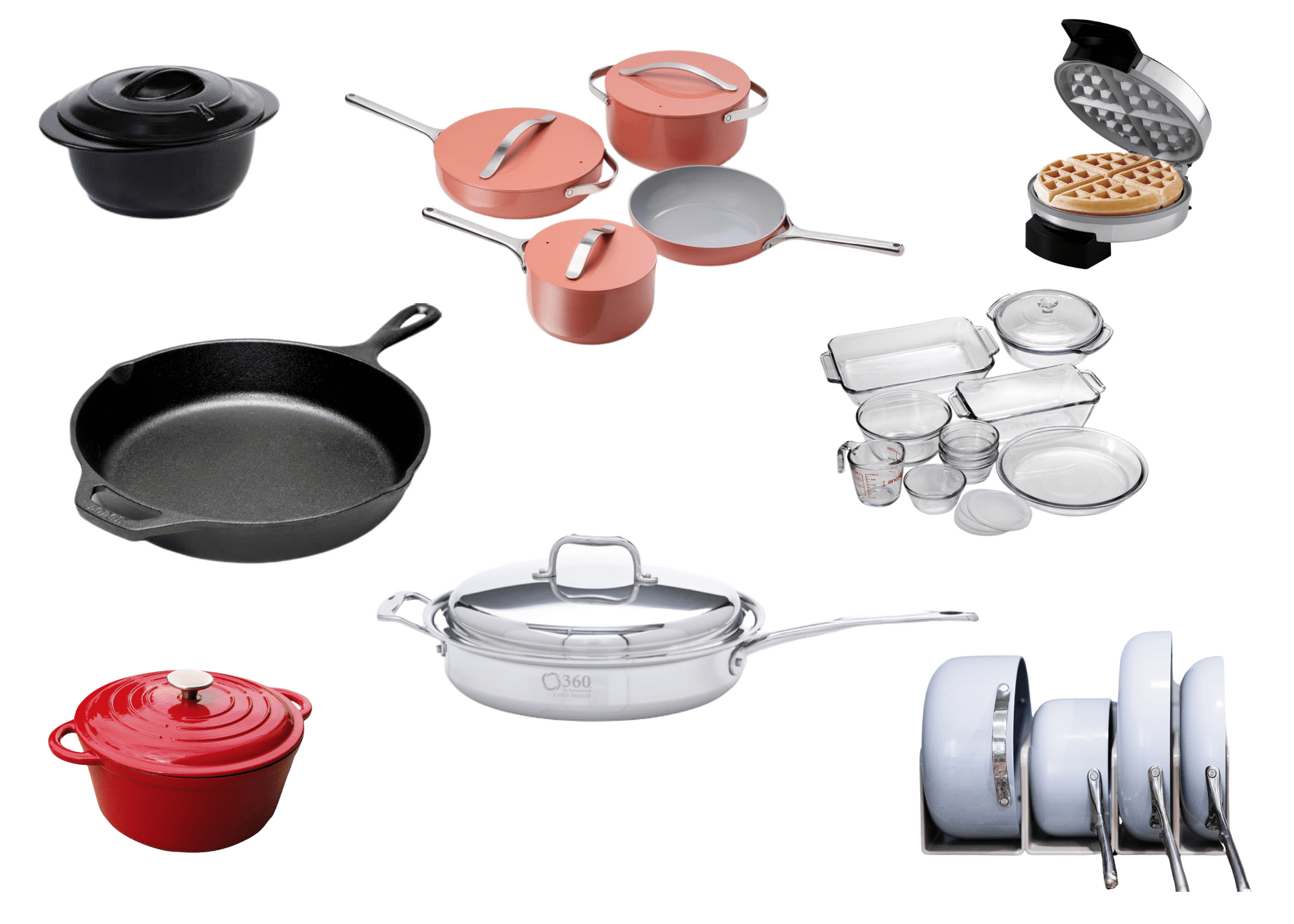
Best non-toxic cookware outperforms traditional nonstick when high-heat searing, long-term durability, even heat distribution, and chemical-free safety matter most. Stainless steel, cast iron, and carbon steel excel in professional techniques where PTFE coatings fail, degrade, or release toxins.
High-Heat Searing and Browning
Stainless steel and cast iron handle 600°F+ searing without toxic fume release, creating superior Maillard reactions for steaks and vegetables. Traditional nonstick limits at 500°F max, risking coating breakdown and “Teflon flu” from overheated PTFE.
Superior Heat Retention and Distribution
Multi-ply stainless like Demeyere Atlantis and enameled cast iron maintain consistent temperatures for braising and baking, preventing hot spots that burn food in cheap aluminum nonstick. Cast iron retains heat longest, outperforming single-ply traditional pans.
Lifetime Durability vs. Coating Wear
Non-toxic materials like carbon steel develop natural nonstick patina through use, lasting generations without peeling. Traditional nonstick coatings scratch within months, requiring frequent replacement and potential heavy metal exposure from degraded aluminum bases.
Acidic Food Cooking Without Leaching
Stainless steel and pure ceramic remain non-reactive with tomatoes, citrus, and wine reductions, preserving flavors without metallic taste. Traditional nonstick often reacts or warps under acidic conditions, compromising food quality.
Oven and Induction Versatility
Non-toxic options like Fissler stainless and Le Creuset enameled cast iron transition seamlessly stovetop-to-oven up to 800°F, ideal for finishing dishes. Most traditional nonstick lids limit at 400°F, restricting recipe flexibility.
Conclusion
Non-toxic cookware outperforms traditional options during high-heat cooking, acidic recipes, oven use, and long-term reliability where chemical coatings degrade. Choose stainless, cast iron, or carbon steel for professional results without health compromises.
FAQs
Best for steak searing?
Cast iron or carbon steel creates unmatched crust.
Acidic sauces safe?
Stainless steel prevents metallic flavor leaching.
Oven maximum for non-toxic?
800°F+ stainless; 500°F enameled cast iron.
Natural nonstick development?
Carbon steel patina rivals coatings after seasoning.
Induction performance superior?
Multi-ply stainless distributes heat evenly without buzzing.
Coating scratching avoided?
Yes—bare metals endure metal utensils indefinitely.
Braising advantage?
Enameled cast iron retains moisture better than nonstick.
Cost per use long-term?
Non-toxic lasts 10x longer, reducing replacement costs.
High-heat fume risks?
Eliminated—materials stable beyond PTFE limits.
Beginner-friendly transition?
Start with hybrid ceramic; progress to stainless technique.