I started eating cleaner two years ago – more whole foods, less processed stuff, cooking at home instead of ordering takeout. Made sense for health, budget, and actually knowing what’s in my food.
Six months in, I realized I was undermining all that effort by cooking my carefully sourced organic vegetables in pans leaching chemicals into every meal. Spending extra on pasture-raised chicken while cooking it in PFAS-coated nonstick felt… contradictory.
Switching to non-toxic cookware became the missing piece of actually eating clean. Here’s how the equipment you use affects the food you eat, even when you’re doing everything else right.
Chemical Contamination You Can’t See
Clean eating focuses on avoiding pesticides, hormones, antibiotics, and preservatives in food. Makes sense – you control ingredients and avoid industrial chemicals.
But cooking those perfect ingredients in nonstick pans releases perfluorinated compounds directly into your meal. PFAS chemicals accumulate in your body and don’t break down naturally. You’re adding synthetic chemicals to organic food without realizing it.
I had organic grass-fed ground beef browning in my nonstick skillet when this clicked. All that effort sourcing quality meat, then cooking it in a pan that releases more questionable compounds than anything in the beef itself.
Research shows PFAS levels increase in blood after using nonstick cookware regularly. It’s measurable contamination happening in your kitchen during normal cooking. Clean eating that ignores cooking surfaces misses a major exposure source.
Aluminum cookware without protective coating poses different concerns. Acidic foods like tomatoes and wine can leach aluminum into your meal. The health implications are debated, but it’s another source of contamination you can eliminate.
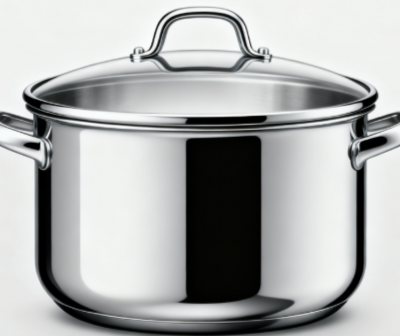
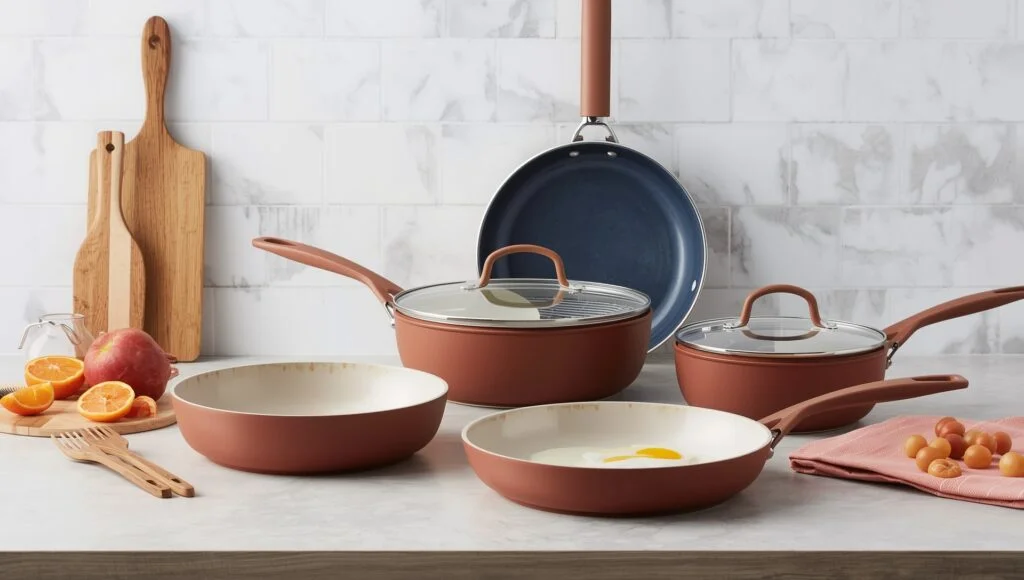
Switching to stainless steel, cast iron, or ceramic removes that chemical exposure completely. The food you carefully selected stays clean through the entire cooking process.
Better Nutrient Retention
High-quality cookware heats evenly and maintains precise temperatures. That control preserves nutrients better than hot spots and temperature swings in cheap pans.
Overcooking destroys vitamins and beneficial compounds. My old thin nonstick pans had such uneven heating that I constantly overcooked portions of vegetables trying to get everything done evenly.
Stainless steel’s even heat distribution cooks vegetables perfectly without destroying nutrients. Everything reaches doneness simultaneously instead of some pieces burning while others stay raw.
Cast iron adds dietary iron to your food, especially with acidic ingredients like tomato sauce. It’s bioavailable iron your body can actually use. Not a replacement for iron-rich foods but a meaningful supplementation through normal cooking.
Lower cooking temperatures preserve more nutrients. Quality non-toxic cookware heats so efficiently that I use medium heat where I used to crank burners to high. Gentler cooking retains more of what makes whole foods nutritious.
Proper deglazing captures nutrients and flavors that would otherwise get scrubbed away. Those browned bits contain concentrated nutrients and taste. Turning them into pan sauce means you consume everything instead of washing nutrition down the drain.
Cooking Methods That Maximize Nutrition
Non-toxic cookware expanded my cooking techniques in ways that improved nutrition. My nonstick limitations restricted me to basic sautéing and scrambling.
I braise tough cuts low and slow in my enameled Dutch oven now. Breaks down collagen into gelatin, extracts minerals from bones, and creates nutrient-dense meals from affordable ingredients. Couldn’t do that in nonstick with temperature limitations.
High-heat searing in cast iron or stainless creates complex flavors through the Maillard reaction. Those flavors mean I don’t need butter, cream, or excessive salt to make food taste good. The cooking method itself creates satisfaction.
Roasting vegetables on sheet pans caramelizes natural sugars and concentrates flavors. Brussels sprouts and broccoli taste amazing roasted, while steamed versions are bland and need heavy dressing. Better cooking equipment encourages better cooking methods.
One-pan meals preserve nutrients that leach into cooking water. Everything stays together – vegetables, proteins, fats – and nothing gets drained away. Your meal contains everything the ingredients offered.
Reduced Need For Cooking Fats
Clean eating emphasizes healthy fats but in moderate amounts. My nonstick pans required minimal fat, but I’ve learned that proper technique in quality cookware doesn’t need excessive oil either.
Preheated stainless steel with just a thin layer of oil works beautifully. The Leidenfrost effect creates a temporary nonstick surface when moisture hits properly heated metal. Fish releases cleanly, eggs cook without sticking.
Cast iron’s seasoning provides natural nonstick properties. I use less oil cooking eggs in my well-seasoned skillet than I did in nonstick. Better flavor too since the eggs actually brown instead of just steaming.
The oil I do use tastes better because I can use high-heat cooking oils. Avocado oil, ghee, and refined coconut oil handle high temperatures without breaking down. Nonstick forced me toward lower-heat oils or risked coating damage.
Fat quality matters more than quantity for both health and flavor. Using appropriate amounts of healthy fats in safe cookware beats loading food with oil to prevent sticking in poorly-heated pans.
Eliminating Hidden Ingredients
Restaurant-quality results at home mean less temptation to order takeout. My cooking improved so much after switching cookware that I actually enjoy eating at home more than going out.
Proper searing in stainless or cast iron creates crust and flavor I couldn’t achieve before. Steaks rival steakhouses. Salmon gets restaurant-quality crispy skin. Food tastes better, so clean eating feels less like deprivation.
When food tastes great, you don’t need sauces and seasonings to hide bland cooking. Fresh vegetables properly caramelized in cast iron need only salt and pepper. The cooking method creates flavor instead of relying on additions.
Control over ingredients extends beyond what you buy. How you cook it affects final nutrition and chemical exposure just as much. Clean eating requires both quality ingredients and safe cooking methods.
Long-Term Health Investment
The upfront cost of quality cookware feels significant when you’re buying it. Then you realize you’re using these pans 2-3 times daily for potentially decades.
Over 20 years, that’s 15,000-20,000 meals cooked in the same equipment. Even small reductions in chemical exposure per meal accumulate massively over that timeline.
I think about my kids eating food I cook in this equipment for years. Eliminating PFAS exposure during their development matters. The $600 I spent on cookware protects them through thousands of meals growing up.
Clean eating is expensive – organic produce, quality proteins, whole grains all cost more than processed alternatives. If you’re already investing there, investing in how you cook it makes complete sense.
The performance improvements motivate me to cook more often. Better results make cooking enjoyable instead of frustrating. That means more home-cooked meals and fewer restaurant meals or processed food.
Wrapping This Up
Clean eating that stops at ingredients misses the significant impact cooking equipment has on what you actually consume. Non-toxic cookware completes the picture by eliminating chemical contamination during cooking.
The investment aligns perfectly with clean eating priorities – removing industrial chemicals, maximizing nutrition, and controlling every aspect of what you eat. You can’t truly eat clean while cooking in chemically-coated pans.
Start with one quality piece and experience the difference yourself. The improved cooking performance encourages better techniques that preserve nutrition and create better flavors naturally.
Your clean eating efforts deserve cookware that supports rather than undermines your goals. Make the switch and your carefully chosen ingredients will remain truly clean from purchase through plate.
Previous Article
Which Best Non-Toxic Cookware Performs On InductionNext Article
Can Best Non-Toxic Cookware Improve Food Flavour